

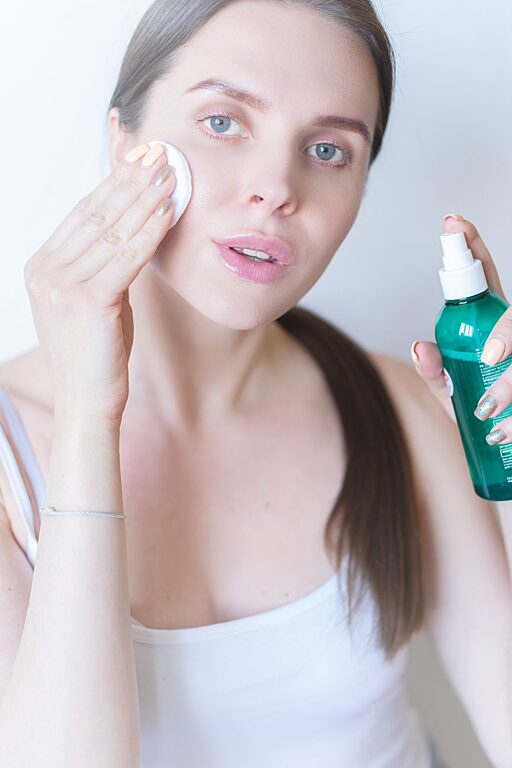
Starting a skincare routine can seem overwhelming with the vast number of products and advice available today. However, creating a basic and effective skincare routine is simpler than you might think. By focusing on a few key steps and understanding your skin type, you can maintain healthy, glowing skin without confusion or excess products.
In this guide, we’ll walk you through everything you need to know to establish a solid foundation for your daily skincare routine.
Why Start a Skincare Routine?
Your skin is the largest organ of your body and acts as a barrier against environmental damage, pollution, and bacteria. Taking care of it not only helps you look your best but also supports your overall skin health. A consistent skincare routine can:
– Cleanse away dirt and impurities
– Hydrate and nourish your skin
– Protect from sun damage
– Prevent premature aging signs
– Address specific skin concerns like dryness or acne
Starting simple is key. You can always adjust your routine as you learn more about what your skin needs.
Step 1: Identify Your Skin Type
Before choosing any products, it’s important to understand your skin type. This will guide your product selection and help avoid irritation or breakouts.
Common Skin Types
– Normal: Balanced, not too oily or dry, few blemishes
– Dry: Flaky, rough, feels tight or uncomfortable
– Oily: Shiny appearance, prone to blackheads and acne
– Combination: Oily in some areas (usually T-zone), dry or normal elsewhere
– Sensitive: Easily irritated, redness, itching, or burning
To test your skin type, wash your face with a gentle cleanser and wait for an hour without applying any products. Observe how your skin feels and looks.
Step 2: Choose the Right Products
For a basic routine, you’ll need three main types of products: cleanser, moisturizer, and sunscreen.
Cleanser
Cleansing removes dirt, oil, and makeup from your skin. Choose a gentle cleanser suitable for your skin type:
– Normal to oily skin: Gel or foam cleansers work well to remove excess oil
– Dry or sensitive skin: Cream or lotion-based cleansers provide hydration
– Combination skin: A mild cleanser that isn’t too stripping
Use lukewarm water and avoid hot water, which can dry out your skin.
Moisturizer
Moisturizing keeps your skin hydrated, soft, and protected.
– For dry skin, look for rich creams containing ingredients like hyaluronic acid or glycerin
– For oily skin, opt for lightweight, oil-free, or gel moisturizers
– For sensitive skin, choose fragrance-free options
Even oily skin needs moisturizer to maintain balance.
Sunscreen
Protecting your skin from the sun is one of the most important steps to prevent damage and premature aging.
– Choose a broad-spectrum sunscreen with at least SPF 30
– Apply every morning as the last step in your routine
– Reapply throughout the day if you spend extended time outdoors
Step 3: Establish Your Routine
Here is a simple routine you can follow twice daily — in the morning and evening.
Morning Routine
- **Cleanse:** Remove impurities and excess oils from the night
- **Moisturize:** Hydrate your skin and prepare it for the day
- **Apply Sunscreen:** Protect against harmful UV rays
- **Cleanse:** Remove makeup, dirt, and pollution from the day
- **Moisturize:** Help your skin repair and replenish overnight
Evening Routine
Optional Steps for Beginners
Once you feel comfortable with the basics, you can consider adding these to your routine:
– Toner: Helps balance skin pH and remove leftover cleanser
– Exfoliate: Removing dead skin cells once or twice a week to brighten skin (use gentle products)
– Serums: Lightweight formulas for specific concerns like brightening or hydration
Make sure to introduce one new product at a time to monitor how your skin reacts.
Tips for Success
– Be consistent: Daily care yields the best results over time.
– Patch test: Always test new products on a small skin area first.
– Avoid harsh scrubs: These can irritate and damage your skin.
– Stay hydrated: Drinking water supports healthy skin from within.
– Get enough sleep: Rest is important for skin repair.
When to Seek Professional Advice
If you experience persistent skin issues such as severe acne, excessive dryness, redness, or irritation, consider consulting a dermatologist. A professional can provide tailored recommendations and treatments.
Final Thoughts
Starting a skincare routine doesn’t require expensive products or complicated steps. By focusing on cleansing, moisturizing, and sun protection, you can build a foundation for healthy skin that feels good and looks great. Listen to your skin’s needs, be patient, and enjoy the process of caring for yourself.